
White nail polish is one of those rare beauty products that never goes out of style. It’s clean, modern, and endlessly versatile. But it’s also one of the trickiest polishes to apply perfectly. Here‘s everything you need to know about white nail polish—why it’s so popular, the latest trends, how to apply it flawlessly, and the common mistakes to avoid.
Why White Nail Polish Is So Attractive
White nail polish has a special kind of appeal. It’s bold without being loud. It’s crisp, clean, and instantly makes your hands look polished and put‑together. White nails work with any outfit, from a casual T‑shirt to an evening gown. They can be minimalist or maximalist, depending on the shade and finish you choose.
White also creates a perfect canvas for nail art. It makes other colours pop, adds contrast to geometric designs, and provides a crisp base for negative space styles. White nails are particularly popular in summer, but they work year‑round—a bright white pedicure in winter feels like a small act of rebellion against grey skies, while in summer, it looks fresh and sun‑kissed.
There’s also a psychological element. White is associated with cleanliness, purity, and fresh starts. Wearing white nails can feel like a reset—a small, daily reminder to start fresh.
The Latest Trends in White Nail Polish
White polish has come a long way from the stark, chalky shades of the past. Here are the trends shaping white nails today.
Warm, creamy whites. Stark, bright white is being replaced by warmer, creamier shades that feel more wearable and less harsh. Think off‑white, vanilla, or milk tones that flatter a wider range of skin tones. These soft whites look natural and elegant.
Micro French manicure. Instead of a thick white tip, the micro French features an ultra‑thin line of white at the very edge of the nail. It’s subtle, sophisticated, and works on any nail length. The white tip is so fine that it almost disappears, giving a barely‑there effect that feels fresh and modern.
White with texture. Adding texture is a growing trend. Think sugar white—a slightly gritty, sparkling finish reminiscent of icing sugar, matte white with a soft, velvety finish, or pearl white with a subtle shimmer that catches the light. These finishes add depth and interest without overpowering the clean white look.
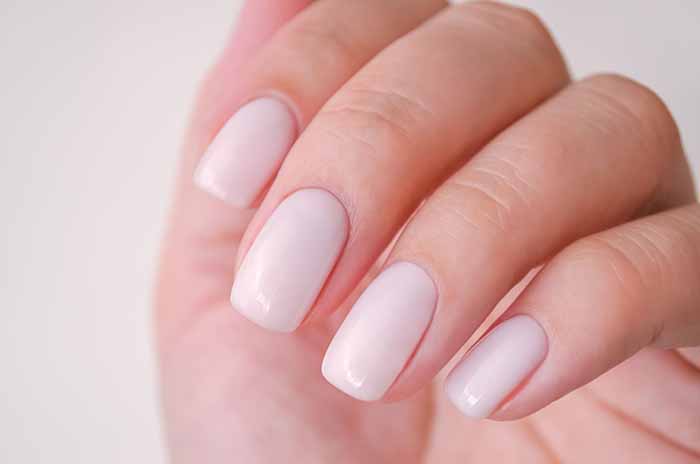
White for nude nails. White is also being used to create a “naked” nail effect. A sheer, milky white polish applied over a natural nail creates a soft, translucent look that is elegant and modern. It’s the perfect “your nails but better” style.
Minimalist negative space designs. White nails are the perfect canvas for negative space nail art—painting only part of the nail, leaving the rest bare. A thin diagonal white line across the nail, a half‑moon at the base, or a geometric cut‑out all create modern, minimalist looks.
How to Perfectly Apply White Nail Polish
White polish is notoriously difficult to apply smoothly. Here‘s how to get it right.
Essential Products
- Base coat. Non‑negotiable. Prevents staining and helps the polish adhere.
- White polish. Choose a high‑quality polish with good opacity. Cheaper whites often require four or five coats.
- Top coat. Seals everything and adds shine.
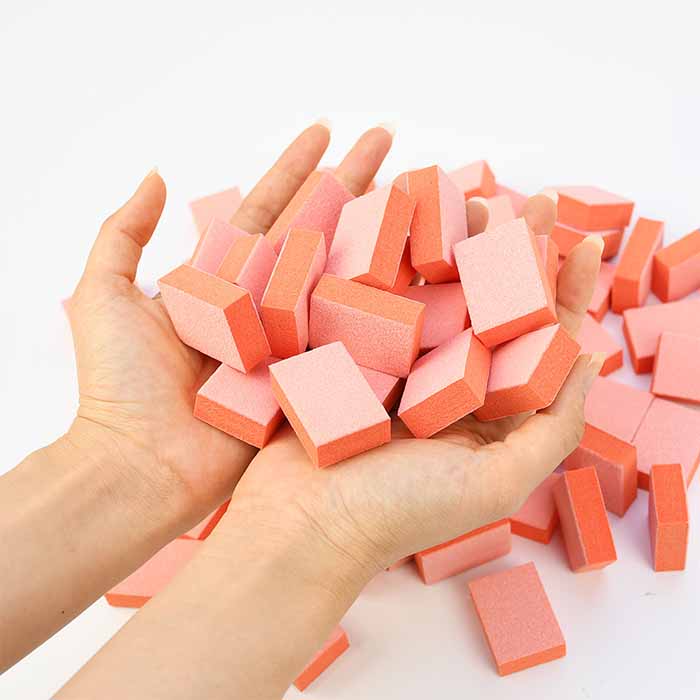
- Nail file and buffer. For shaping and smoothing.
- Cuticle pusher. For prepping the nail bed.
- Cleanup brush. An angled brush dipped in remover is essential for perfecting edges.
Preparation
Step 1: Remove old polish and shape your nails. Square, squoval, and almond shapes work especially well with white polish.
Step 2: Push back cuticles gently. Lightly buff the nail surface to remove shine and create a smooth canvas.
Step 3: Wipe each nail with rubbing alcohol or a nail dehydrator to remove oils. This step is non‑negotiable for white polish—any residue will cause streaking.
Application
Step 1: Apply base coat. Apply a thin, even layer of base coat, capping the free edge. Let it dry completely.
Step 2: Apply the first thin coat of white. This is the most important step for smooth application. Wipe one side of the brush against the bottle neck to remove excess polish. Place the brush at the centre of your nail, just above the cuticle. Push gently toward the cuticle (without touching it), then pull the brush smoothly toward the tip. Apply the first coat with long, even strokes. The first coat will look streaky—that’s normal. Don’t overwork it; let it dry.
Step 3: Apply a second thin coat. Once the first coat is dry to the touch, apply a second thin coat. This coat should give you even, opaque coverage. If needed, a third thin coat can be applied for full opacity. Thin coats are essential—thick coats take forever to dry, look lumpy, and peel more easily.
Step 4: Clean up edges. Use a small brush dipped in remover to clean the cuticle line and sidewalls. White polish makes mistakes especially visible.
Step 5: Seal with top coat. Apply a generous layer of high‑gloss top coat. Cap the free edge to prevent chipping.
Removal
White polish can stain your nails if you don‘t use a base coat. To remove it, use an acetone‑free remover for regular polish, or the foil soak method for gel. After removal, apply cuticle oil to rehydrate the nail plate.
Common Mistakes to Avoid with White Nail Polish
Skipping base coat. White polish is the most likely to stain. Base coat is non‑negotiable.
Applying thick coats. White polish is notorious for streaks and bubbles. Thick coats make this worse. Apply two or three thin coats instead of one thick coat.
Not using a white base. For the most opaque coverage, apply a white base coat before your colour. A good white polish will have good opacity, but some cheap polishes need extra help.
Working too slowly. White polish dries quickly. Work efficiently and avoid over‑brushing the same area, which can create streaks and bubbles.
Shaking the bottle. Shaking creates bubbles. Roll the bottle gently between your palms to mix.
Using old polish. White polish oxidises and thickens over time. If your polish is old and gloopy, it’s time to replace it. You can also use a nail polish thinner to revive it.
Rushing between coats. Allow each layer to dry completely. Rushing will lift the previous layer.
Forgetting to cap the free edge. Sealing the tip prevents water from seeping underneath and causing chips.
The Bottom Line
White nail polish is a timeless classic that looks crisp, clean, and endlessly elegant. With the right preparation, thin layers, and careful application, you can achieve a flawless white manicure that turns heads. Avoid the common mistakes—streaks, bubbles, staining—and you‘ll enjoy nails that feel fresh, modern, and beautifully polished.