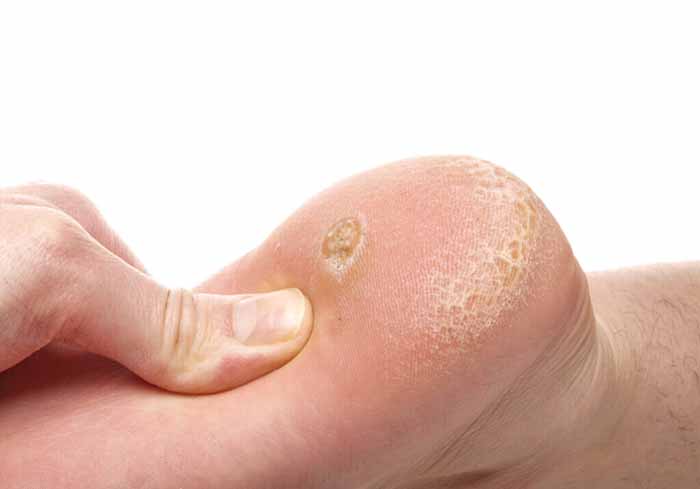

I remember the first time I noticed a thick, hardened patch of skin on the ball of my foot. It was slightly painful when I walked, and I assumed it was just a rough spot. I ignored it for weeks, thinking it would go away on its own. It didn’t. By the time I addressed it, the callus had grown thick and painful.
Calluses are one of the most common foot problems—and one of the most preventable. Here is everything I have learned about calluses: what they are, how to distinguish them from other foot issues, how to treat them safely, and how to prevent them from returning.
What Is a Foot Callus?
A callus is a thickened, hardened area of skin that develops in response to repeated pressure, friction, or irritation. It is the skin’s natural defence mechanism—a protective barrier that forms to shield the underlying tissue from damage.
Calluses typically develop on the weight-bearing areas of the feet: the heels, the balls of the feet, and the sides of the big toe. They are usually painless unless they become thick enough to press on the underlying tissue. They can vary in size and colour, often appearing yellowish or greyish compared to the surrounding skin.
Calluses vs. Corns vs. Skin Hardening
These terms are often used interchangeably, but they refer to different conditions.
Calluses. Large, diffuse areas of thickened skin. They are flat and spread over a wider area. They usually develop on weight-bearing areas—heels, balls of the feet. Calluses are typically painless unless very thick. They are caused by friction and pressure.
Corns. Small, well-defined areas of thickened skin. They are circular and have a hard, central core. Corns typically develop on non-weight-bearing areas—the tops and sides of toes. They are often painful, especially when pressed. They are caused by pressure from tight shoes or toe deformities.
Skin hardening (keratosis). A general term for the thickening of the outer layer of the skin. It can be a normal response to pressure (as in calluses) or a symptom of an underlying condition. Unlike calluses and corns, skin hardening may be diffuse and not localised to a specific pressure point.
Why Do Calluses Form?
Calluses are the skin’s response to repeated pressure, friction, or irritation. The body produces extra layers of skin cells to protect the underlying tissue from damage.
Ill-fitting shoes are the most common cause. Tight shoes, high heels, and narrow toe boxes create friction points that lead to calluses. The constant rubbing of the shoe against the foot triggers the skin to thicken.
Bony abnormalities such as bunions, hammer toes, or bone spurs create pressure points that cause calluses.
Gait and foot mechanics. Certain walking patterns (such as overpronation or supination) can create uneven pressure on the feet, leading to calluses.
Activity-related friction. Athletes, runners, and people who stand for long periods are more prone to calluses due to repeated pressure on the feet.
Lack of proper foot support. Wearing shoes without adequate cushioning or arch support increases pressure on the feet and contributes to callus formation.
How to Safely Remove Calluses?
Removing a callus safely requires patience and the right tools. Never attempt to cut or shave a callus with a razor blade or scissors—this is dangerous and can lead to infection.
Step 1: Soak your feet. Fill a basin with warm water and a few drops of mild soap. Soak your feet for 10-15 minutes to soften the hardened skin. This is the most important step.
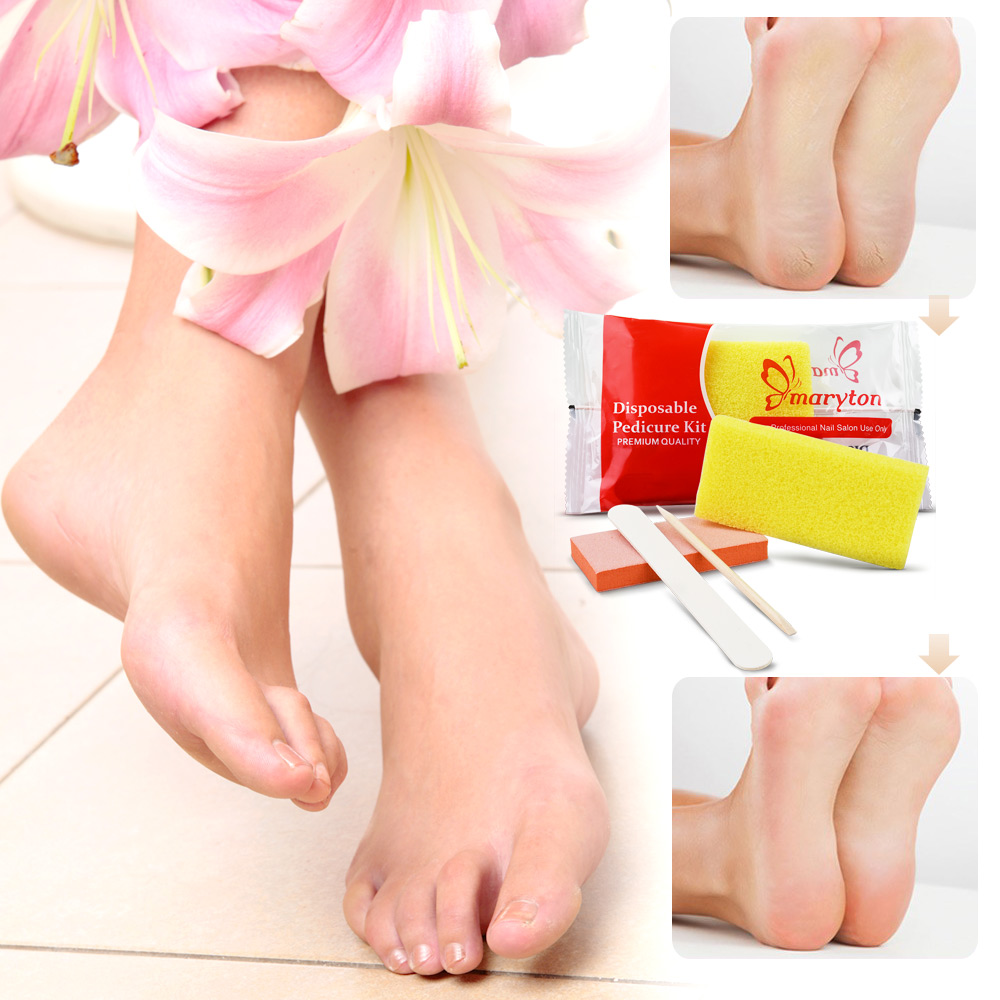
Step 2: Gently exfoliate. Using a pumice stone or foot file, gently rub the callused area in small, circular motions. Apply light pressure—let the tool do the work. Rinse and check your progress frequently. Stop when the callus is thinner and the skin feels smoother.
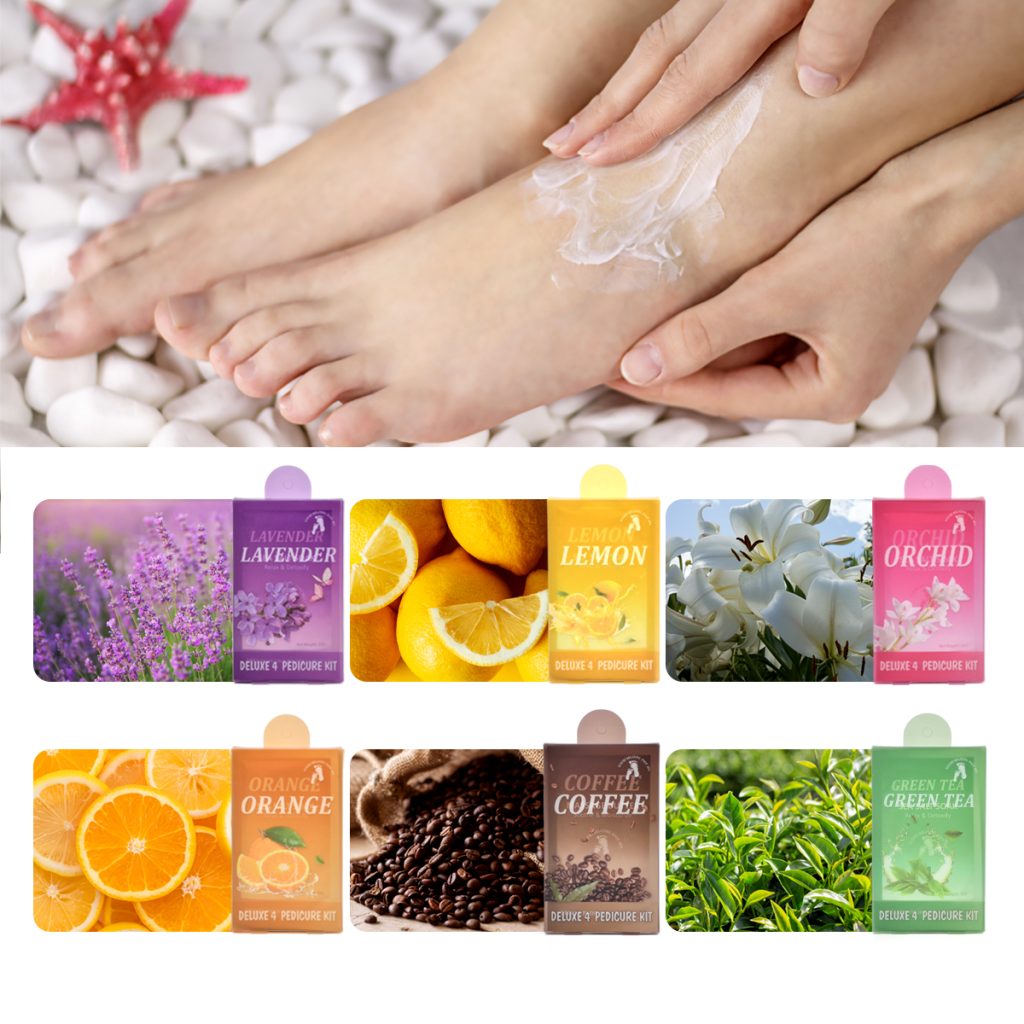
Step 3: Moisturise. Apply a rich foot cream containing urea (10-20%), shea butter, or glycerin. This helps soften the skin and prevent future calluses.
Step 4: Repeat weekly. For best results, exfoliate weekly. Consistent, gentle care is more effective than aggressive sessions.
Treatment Options for Painful or Stubborn Calluses
Over-the-counter treatments. Callus removers containing salicylic acid can help soften and remove calluses. Follow the instructions carefully and do not use them on healthy skin.
Pumice stone or foot file. Regular gentle exfoliation with a pumice stone or foot file is the safest and most effective method for home treatment.
Moisturising creams. Creams containing urea (10-20%) soften and hydrate the skin, preventing the callus from becoming thick and painful.
Orthotic insoles. Custom or over-the-counter insoles can redistribute pressure on the feet, reducing friction in callus-prone areas.
Cushioning pads. Gel or foam pads placed over the callus reduce pressure and protect the area.
Lifestyle changes. Wearing properly fitted shoes, avoiding high heels, and using cushioned insoles reduce the friction that causes calluses.
Professional podiatry. If your callus is painful, very thick, or does not respond to home treatments, consult a podiatrist. A podiatrist can safely debride (shave) the callus and offer personalised advice on footwear and orthotics.
How to Prevent Calluses from Returning?
Wear properly fitted shoes. Choose shoes that fit well and have a wide toe box. Avoid narrow, pointed shoes that squeeze the toes.
Use cushioning. Gel or foam pads reduce friction in callus-prone areas.
Moisturise daily. Apply a rich foot cream daily to keep the skin soft and flexible.
Exfoliate regularly. Gentle weekly exfoliation with a pumice stone removes dead skin before it hardens.
Address underlying issues. If you have bunions, hammer toes, or other foot deformities, consult a podiatrist for advice.
Change shoes regularly. Rotating your shoes gives them time to dry out and reduces friction points.
Wear socks with cushioning. Moisture-wicking socks with extra padding reduce friction and protect the feet.
The Bottom Line
Calluses are a natural response to friction and pressure, but they do not have to be a source of pain or discomfort. With proper care—gentle exfoliation, daily moisturising, and appropriate footwear—you can manage calluses and prevent them from returning. If a callus is painful, very thick, or does not respond to home treatments, consult a podiatrist. Your feet carry you everywhere—give them the care they deserve.
Read also: The Complete Guide to White Nail Polish: Why It‘s So Irresistible and How to Master It